Start With The Numbers, Not The Sales Pitch
Most Florida homeowners don’t start thinking seriously about hurricane impact windows until a storm is already on the radar. By then, the cost question feels urgent, and it’s easy to get drawn into a conversation you’re not prepared for. Going in with even a rough estimate already in mind changes that dynamic and puts you in a far stronger position when talking to any supplier.
Window Count And Size Come First
The biggest factor in your total cost is how many windows your home has and how large they are. Hurricane-rated windows for a standard opening cost less than those for a large picture window or wide horizontal roller. Before talking to anyone, walk through your home and note the count and rough size of each opening. That groundwork makes every supplier conversation far more productive.
What Does A Full Installation Actually Cost?
Boynton Beach-based experts from Impact Windows Center explain that nationally, the average installed cost for a single hurricane impact window runs from roughly $950 to $1,350. Florida pricing varies based on location and local building codes. Homes in South Florida’s High Velocity Hurricane Zone — covering Miami-Dade and Broward counties — face stricter certification standards that push unit costs higher. A whole-home installation across ten windows can range from $10,000 to $18,000 or more.
Frame Material Has A Bigger Effect On Price Than Most Expect
Vinyl frames are the more affordable option and perform well in many inland settings. Aluminum is more common in coastal properties because it holds up better against salt air and humidity. The choice between the two can add several thousand dollars across a full installation. In high-wind or coastal zones, the aluminum premium is usually worth paying given the difference in long-term durability.
Window Style Affects The Total Too
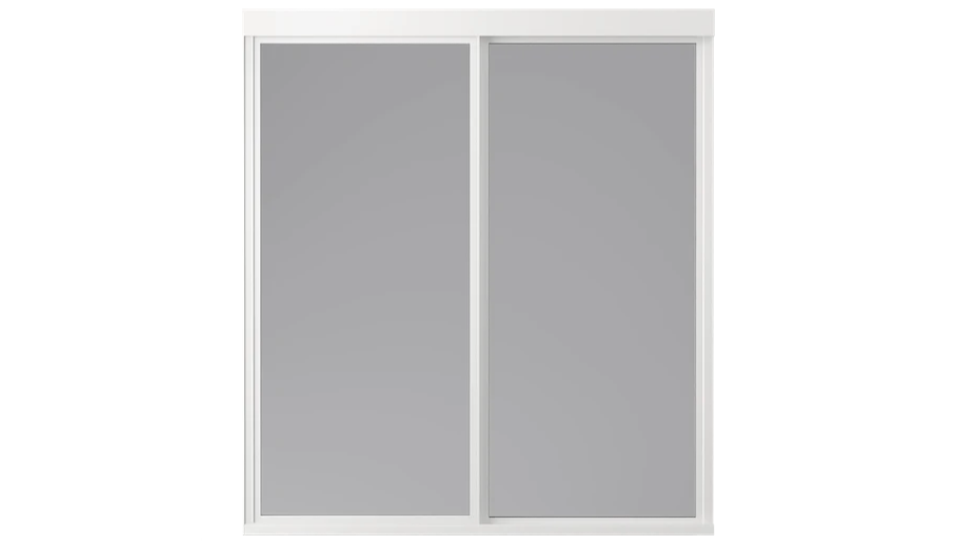
Single-hung windows, where only the lower sash opens, are among the most affordable impact-rated styles. Horizontal rollers, casements, and fixed-pane options carry higher price points based on their complexity and hardware. Operable styles cost more because they need tighter tolerances to maintain their impact certification. Using simpler styles on less-exposed openings is a practical way to manage costs without compromising protection where it matters.
Factor In Labor And Permits From The Start
The window unit itself is only part of what you’ll pay. Labor typically accounts for around a third of total project costs, and permitting is required for every impact window installation in Florida. Some contractors include permits in their quotes; others don’t. Always confirm before signing anything — the difference can add several hundred dollars and quietly inflate the final bill.
The Long-Term Picture Is Worth Considering Too
It’s also worth factoring in what impact windows can do for your ongoing costs. Many Florida homeowners qualify for insurance premium discounts after upgrading, and the energy efficiency of laminated glass can reduce cooling bills year-round. These savings don’t offset the upfront cost immediately, but they do improve the long-term picture, making it easier to justify the investment beyond storm season alone.
Get A Ballpark Before Anyone Calls You Back
You don’t need a site visit to get a useful starting estimate. A number of suppliers now offer online tools that let you enter basic home details and get a rough figure before any consultation. Doing that groundwork early — using an online impact window cost calculator — means you go into every conversation better prepared, with a realistic number already in mind.
Impact Windows Center
3547 High Ridge Rd
Boynton Beach
Florida
33426
United States