
Key Takeaways
- Rodent migration follows predictable patterns, with sustained temperatures below 50°F triggering mass indoor movement as early as August in Virginia.
- Alexandria’s waterfront location and historic architecture create perfect year-round conditions for rodent infestations, with Old Town and Del Ray neighborhoods facing the highest risk.
- House mice can squeeze through dime-sized openings while Norway rats require quarter-sized holes, making aging homes particularly vulnerable during cold weather.
- Winter rodent activity drops 56% below 14°F but continues throughout the season – with sudden temperature changes driving emergency shelter-seeking behavior.
- Professional prevention strategies targeting entry points before migration season starts prove most effective for long-term control in Alexandria’s unique climate.
Understanding when and why rodents move indoors turns pest control from reactive scrambling to strategic prevention. Homeowners armed with knowledge about seasonal migration patterns can protect their properties before infestations take hold, saving thousands in damage and health risks.
And in Alexandria, the risk is high. Here’s why.
Alexandria Homeowners Face Predictable Rodent Invasions Every Fall and Winter
Every September, Alexandria residents begin reporting the same frustrating pattern: scratching sounds in walls, droppings near food storage areas, and nibbled packaging throughout their homes. This annual invasion isn’t random; rodents follow predictable seasonal migration patterns that savvy homeowners can anticipate and prevent.
The phenomenon begins when outdoor temperatures consistently drop below 50°F, creating what pest control experts call “rodent season.” During this critical period, mice and rats abandon their comfortable outdoor habitats to seek the warmth, food, and shelter that heated homes provide.
Unlike many pests that die off or hibernate during winter months, rodents remain active throughout the cold season once they’ve established indoor nesting sites. This continuous activity means that a small problem in October can explode into a major infestation by February, making early intervention essential.
Why Alexandria’s Geography Creates Perfect Rodent Conditions Year-Round
Alexandria’s unique combination of geographic and architectural features creates an ideal environment for rodent populations to thrive throughout the year. The city’s location along the Potomac River provides abundant water sources that rodents require, while the dense mix of restaurants, residential properties, and green spaces offers endless food opportunities.
Waterfront Location and Historic Architecture Attract Rodents
The proximity to water sources makes Alexandria particularly attractive to Norway rats, which prefer ground-level access near foundations and frequently use aging sewer systems as highways into homes. Historic properties throughout the city feature aging foundations, multiple architectural entry points, and established vegetation that creates natural rodent corridors from outdoor spaces directly to building exteriors.
Old Town and Del Ray Neighborhoods Face Highest Risk
Old Town and Del Ray neighborhoods experience the most severe rodent challenges due to their concentration of historic homes built with materials and techniques that create numerous vulnerabilities. These charming older properties often feature stone foundations with natural gaps, wooden structures that expand and contract with temperature changes, and original utility installations that lack modern sealing techniques.
Understanding Rodent Migration Triggers in Northern Virginia
Temperature serves as the primary driver behind rodent migration patterns, with specific thresholds triggering predictable behavioral changes throughout Northern Virginia. Pest control experts have identified sustained temperatures below 50°F as the critical point when outdoor rodent populations begin their mass migration toward heated structures.
Sustained Temperatures Below 50°F Begin Mass Indoor Movement
When outdoor temperatures consistently remain below 50°F, rodents experience a survival imperative that overrides their natural caution around human activity. This temperature threshold triggers a physiological response where rodents must seek consistent warmth and reliable food sources to maintain their body temperature and energy levels throughout the winter months.
The migration typically begins gradually, with individual rodents exploring potential entry points before others follow established routes. This initial exploration phase represents the optimal intervention window for homeowners, as sealing entry points during this period can prevent entire colonies from establishing indoor nesting sites.
House Mice, Norway Rats, and Roof Rats Dominate Alexandria Infestations
Alexandria properties primarily encounter three rodent species during seasonal migrations, each with distinct behaviors and preferences that affect control strategies. House mice, measuring 2-4 inches long with pointed snouts and large ears, represent the most common invaders due to their exceptional ability to squeeze through openings as small as a dime.
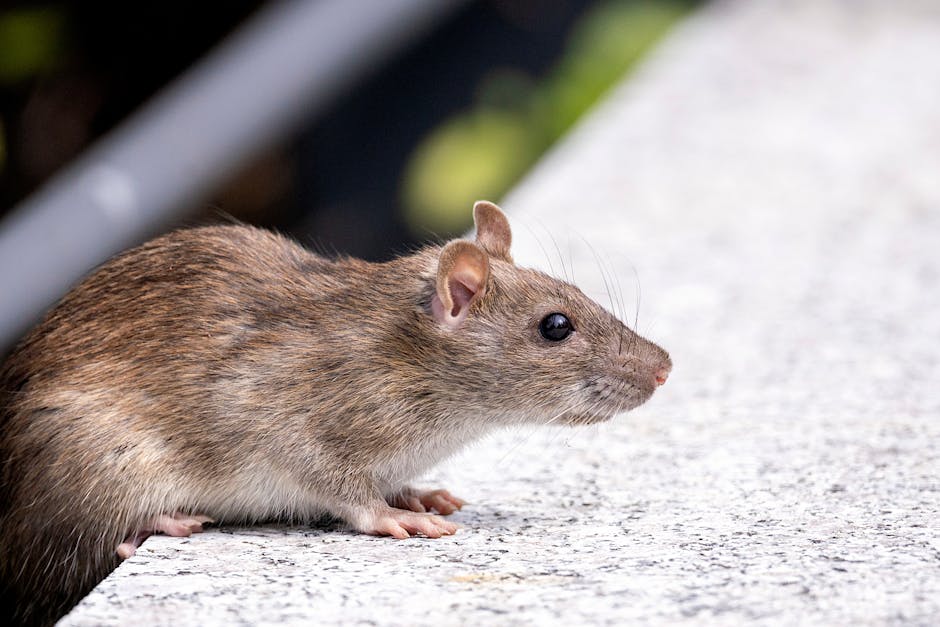
Norway rats present more significant challenges, growing up to 10 inches long with blunt snouts and preferring ground-level entry points around foundations. These destructive rodents often establish burrows alongside building foundations and frequently access homes through aging sewer connections common in Alexandria’s older neighborhoods.
Rodent Season Begins as Early as August in Virginia
Virginia’s rodent season can begin as early as August when nighttime temperatures start dropping consistently, though peak migration typically occurs between September and November. This extended season means Alexandria homeowners must remain vigilant for nearly four months, monitoring for early warning signs and implementing prevention strategies before temperatures trigger mass movement.
Early season migrants often represent active breeders from outdoor populations, meaning that preventing these initial invaders from establishing indoor colonies is critical for avoiding explosive population growth throughout the winter months.
How Aging Homes Become Vulnerable During Cold Weather
Cold weather turns minor structural gaps into major entry highways for determined rodents seeking shelter. As temperatures drop, building materials contract and expand, creating new openings while existing gaps become more apparent to rodents driven by survival instincts.
Quarter-Sized Holes Allow Norway Rat Entry
Norway rats can compress their bodies to squeeze through openings as small as a quarter, making seemingly minor foundation cracks or utility penetrations significant vulnerabilities during migration season. These gaps commonly develop around utility lines entering homes, where settling foundations create spaces between pipes and surrounding materials.
Aging mortar joints in brick or stone foundations frequently deteriorate enough to provide quarter-sized access points, particularly in Alexandria’s historic properties where original construction techniques and materials may not meet modern standards for pest exclusion.
Dime-Sized Openings Give House Mice Easy Access
House mice present even greater challenges due to their ability to exploit dime-sized openings that homeowners often overlook during routine inspections. Common entry points include gaps around door frames, spaces where utilities enter walls, and small cracks in foundation walls that appear insignificant but provide adequate access for these nimble invaders.
Weather stripping deterioration around doors and windows creates particularly problematic access points during cold weather, as these gaps may worsen when materials contract in freezing temperatures. Mice can also exploit gaps around garage doors and crawl space vents that lack proper screening.
Winter Rodent Behavior Patterns Alexandria Residents Must Know
Understanding how rodents behave once temperatures drop helps Alexandria homeowners recognize signs of infestation and implement appropriate control measures. Unlike many pests that become dormant during winter, rodents maintain active lifestyles throughout the cold season, requiring continuous vigilance from property owners.
Rodents Stay Active All Winter Despite Cold Temperatures
Mice and rats do not hibernate, instead remaining active throughout winter months by establishing nests in heated indoor spaces. Once inside, these pests maintain regular feeding schedules, typically becoming active during nighttime hours when human activity decreases and food sources become accessible.
Winter activity patterns focus heavily on nesting behavior, with pregnant females seeking secure locations within wall voids, attics, or storage areas where they can raise young in relative safety. This nesting activity often produces the scratching and scurrying sounds that alert homeowners to infestations.
Sudden Temperature Changes Drive Emergency Shelter-Seeking
Rapid temperature drops, particularly overnight freezes, create emergency situations that drive rodents to seek immediate shelter regardless of risks. These sudden weather changes override normal caution, causing rodents to attempt entry through any available opening, including heavily trafficked areas they would typically avoid.
Emergency shelter-seeking behavior results in increased daytime sightings as desperate rodents abandon their preference for nighttime activity. Homeowners often report seeing mice or rats during daylight hours following sharp temperature drops, indicating severe infestation pressure that requires immediate professional intervention.
Professional Prevention Strategies That Work
In Alexandria, effective rodent prevention requires strategies specifically designed for the area’s unique climate patterns and architectural challenges. Professional pest control approaches focus on timing interventions to match rodent migration patterns while addressing the specific vulnerabilities common in local properties.
1. Seal Entry Points Before Migration Season Starts
The most effective prevention strategy involves sealing potential entry points before temperatures drop below 50°F and migration begins. Professional exclusion work uses steel wool, expanding foam, and hardware cloth to close gaps around foundations, utility penetrations, and other vulnerable areas before rodents begin seeking indoor shelter.
Timing this work for late summer (typically August in Virginia) ensures that exclusion measures are in place before rodent populations begin their seasonal movement patterns. Waiting until migration has begun significantly reduces effectiveness, as established travel routes and scent trails continue attracting additional rodents.
2. Target Ground-Level Access Routes First
Norway rats, Alexandria’s most destructive rodent species, primarily access homes through ground-level entry points, making foundation-focused exclusion work the highest priority. Professional inspections focus on ground-level vulnerabilities, including foundation cracks, basement window wells, and utility line penetrations.
Garage doors represent particularly problematic ground-level access points, especially in Alexandria’s older neighborhoods where door seals may have deteriorated. Installing proper door sweeps and repairing gaps around garage door frames prevents both rats and mice from exploiting these large openings.
3. Address Structural Weaknesses in Historic Properties
Alexandria’s historic properties require specialized approaches that balance pest exclusion with preservation of architectural integrity. Professional services address structural vulnerabilities while maintaining the character of older homes through appropriate materials and techniques.
Common interventions include repointing mortar joints, installing screening over foundation vents, and sealing gaps around utility installations. These methods provide effective rodent barriers while addressing the unique challenges of historic construction.
4. Monitor Temperature Drops for Increased Activity
Professional prevention programs include monitoring weather patterns to anticipate increased rodent pressure during temperature drops. When forecasts show sustained periods below 50°F or sudden overnight freezes, property inspections focus on detecting early signs of migration activity before full infestations develop.
This proactive monitoring allows for rapid response when weather conditions create emergency shelter-seeking behavior, deploying additional traps or exclusion measures in areas where rodent pressure typically increases during specific weather patterns.
Look For Same-Day Rodent Solutions
When rodents invade Alexandria homes during migration season, immediate professional intervention prevents small problems from becoming major infestations. Local companies often respond to rodent emergencies with same-day service availability and treatment strategies designed specifically for local conditions.
The ideal approach combines the immediate elimination of existing rodent activity with long-term exclusion strategies that address the root causes of seasonal migrations. Look for technicians that use thermal imaging technology to detect hidden rodent activity and implement exclusion work using professional-grade materials and techniques that prevent future invasions.
Connor’s Pest Pros
5410 Port Royal Rd
Springfield
VA
22151
United States


